grammy@cjm.com.cn

 English
 русский
 Español
 عربى
عربى
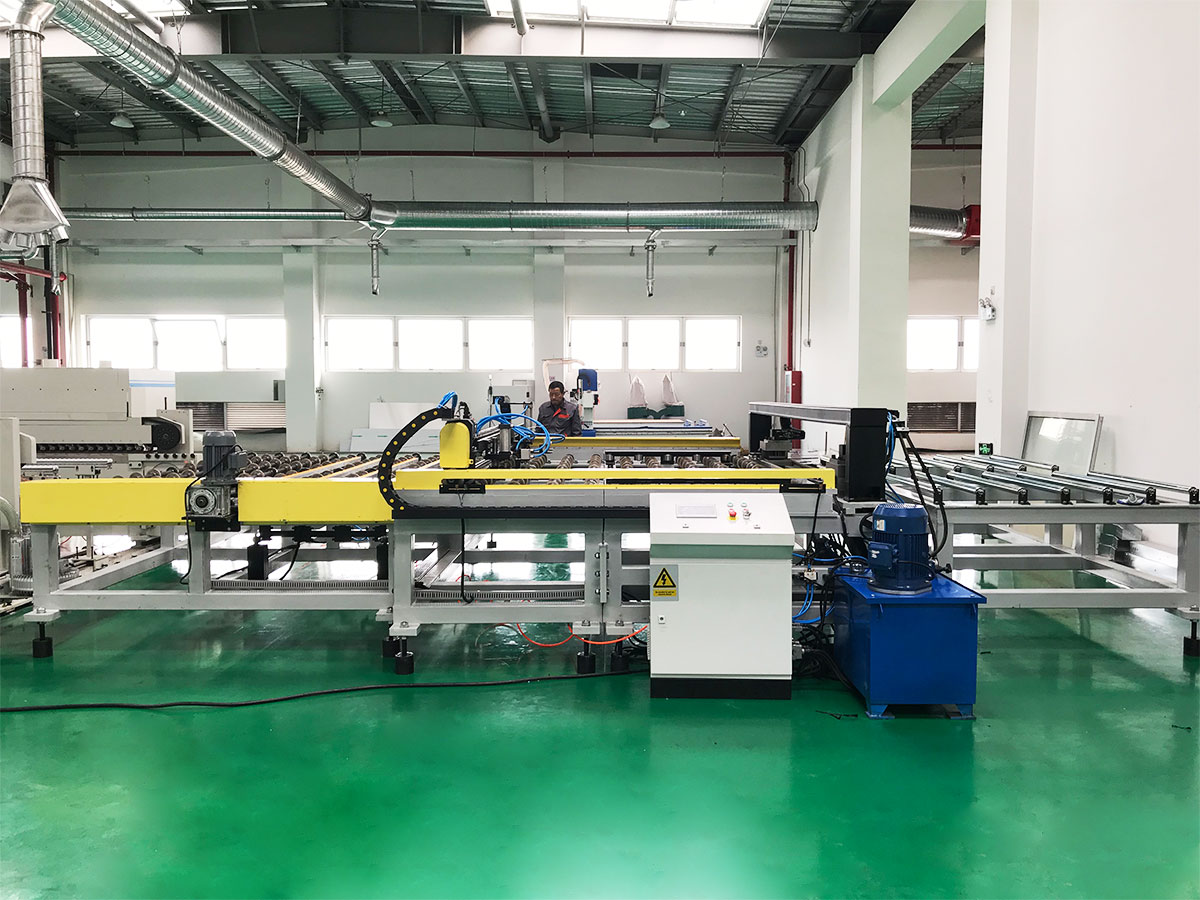

Non-standard customized equipment / production lines refer to production equipment or production lines that are tailored to meet specific customer requirements for a particular industry or product. These equipment and production lines typically do not conform to conventional standardized specifications, but are instead designed according to the specific production processes, product characteristics, and production environment. Non-standard customized equipment is widely applied in industries such as machinery manufacturing, electronics, chemicals, food, pharmaceuticals, automotive, and more, providing solutions for high-precision, high-efficiency, and high-flexibility production requirements.
Compared to standardized production lines, the greatest advantage of non-standard customized equipment is its ability to perfectly adapt to specific production needs, offering higher production efficiency, process precision, and product quality. Non-standard customized production lines typically involve multiple technical fields such as equipment design, process flow planning, and automation control, requiring high levels of engineering capability and industry experience.
Characteristics and Advantages of Non-standard Customized Equipment / Production Lines
High Flexibility and Adaptability
Non-standard customized equipment is designed based on the customer's production process, space layout, and process requirements, making it capable of addressing specific needs that standardized production lines cannot meet. For example, for certain special materials, complex processing techniques, or highly personalized products, non-standard customized equipment can perform tasks that standard equipment cannot achieve while maintaining high production efficiency.
Improved Production Efficiency and Precision
Customized equipment is often deeply optimized for specific production processes, significantly improving production efficiency. For instance, in the food processing industry, customized sorting, cleaning, and packaging production lines can greatly reduce manual operations, enhance automation levels, and ensure high product quality.
Space and Cost Savings
Non-standard customized equipment is typically designed with careful consideration of factory space utilization and production line layout, maximizing space efficiency and avoiding resource waste. Although the initial investment is higher, in the long term, it can effectively reduce production costs through improved production efficiency and reduced waste.
Enhanced Product Consistency and Quality Control
Customized equipment allows for precise control according to the customer's requirements, ensuring high accuracy in every production step. For example, in the medical device production line, non-standard customized equipment can be designed to meet the product's quality requirements, ensuring high precision and consistency in the products.
Key Steps in Non-standard Customized Equipment / Production Lines
Demand Analysis and Solution Design
The design of non-standard customized equipment begins with a detailed demand analysis. Through in-depth communication with the customer, understanding their production needs, process flows, and the shortcomings of existing production lines, engineers will design the most suitable customized solution to meet the customer's requirements.
Process Flow Planning and Equipment Selection
Based on the demand analysis, the design team will plan the entire production process and select the appropriate equipment. At this stage, the design team typically selects the suitable mechanical structure, automation control system, transmission system, etc., and ensures coordination among various components.
Equipment Manufacturing and Debugging
Once the design is finalized, the customized equipment enters the manufacturing phase. This process involves the machining, assembly, and debugging of components. Non-standard equipment must strictly adhere to the customer's design specifications to ensure it operates properly in the customer's production environment.
On-site Installation and Training
After equipment installation, technical personnel will perform on-site debugging to ensure the equipment meets design specifications and operates smoothly. At the same time, the equipment supplier will provide training for the customer’s operators to ensure efficient and safe operation of the equipment.
Application Areas of Non-standard Customized Equipment / Production Lines
Non-standard customized equipment is widely used in various industries, particularly those that require high product quality, production efficiency, and process precision. Some typical application areas include:
Automotive Manufacturing:
In automotive manufacturing, non-standard customized equipment can be used for the production of engine components, vehicle bodies, interiors, and more. Customized production lines for welding, painting, assembly, etc., can improve automation levels, reduce labor costs, and enhance production efficiency.
Electronics and Semiconductor Industry:
In the production of electronic components and semiconductors, non-standard customized equipment is often used in precise assembly, testing, and inspection processes. For example, non-standard testing equipment can be customized to suit the size, shape, and functionality of different electronic components, making the testing process more accurate and efficient.
Food and Beverage Industry:
Customized equipment for food production lines can be designed according to different processing requirements such as sorting, cleaning, and packaging. By automating and customizing the production line, food manufacturers can significantly increase production efficiency while ensuring the safety and quality of the products.
Pharmaceutical Industry:
In pharmaceutical manufacturing, non-standard customized equipment can be tailored to the production processes of various drugs, such as mixing, tablet pressing, and packaging. Customized production lines ensure the accuracy and consistency of the pharmaceuticals, meeting strict quality control standards.
Chemical Industry:
Non-standard customized equipment is widely applied in the chemical industry, such as in chemical reactions, solvent recovery, separation, and purification processes. Customized equipment can improve reaction efficiency, optimize production processes, and ensure the safety and stability of the production process.
Frequently Asked Questions (FAQ)
Is the cost of non-standard customized equipment high?
Compared to standardized equipment, non-standard customized equipment requires a higher initial investment because its design, manufacturing, and debugging require more time and resources. However, customized equipment can achieve a good return on investment in the long term by improving production efficiency, reducing labor costs, and enhancing product quality.
What is the typical delivery cycle for non-standard customized equipment?
The delivery cycle for non-standard customized equipment is usually longer because its design and manufacturing process is more complex. The cycle typically ranges from a few months to a year, depending on the scale and complexity of the equipment.
Can non-standard customized equipment be upgraded or maintained in the future?
Yes, most non-standard customized equipment is designed with future maintainability and upgradability in mind. The design of the customized equipment can typically be adjusted and optimized based on the customer's evolving production needs, ensuring the equipment runs reliably for a long time.
Can customized equipment meet high-precision production requirements?
Customized equipment generally offers high precision and flexibility, allowing it to be designed and manufactured to meet the customer’s strict precision requirements. It ensures that the equipment meets rigorous production standards, especially in industries like electronics, automotive, and pharmaceuticals, where precision is critical.
Non-standard customized equipment / production lines are tailor-made solutions designed to meet specific production needs, offering high product quality, production efficiency, and process precision across various industries. Although the initial investment is higher, they provide significant advantages by improving production efficiency, reducing resource waste, and lowering long-term operational costs, making them an important asset for companies aiming to stay ahead of the competition. With advances in technology and the ongoing development of the manufacturing industry, the demand for non-standard customized equipment will continue to grow, particularly in areas that require high automation, precise control, and personalized production.